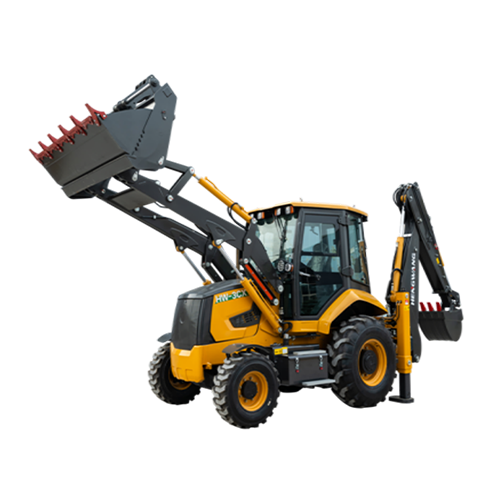
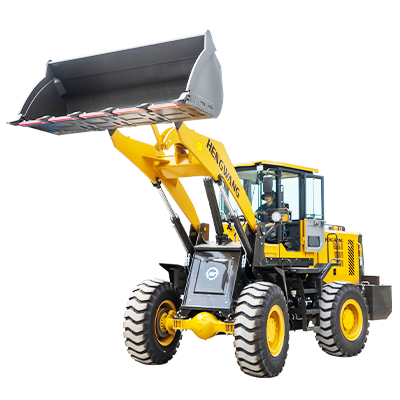
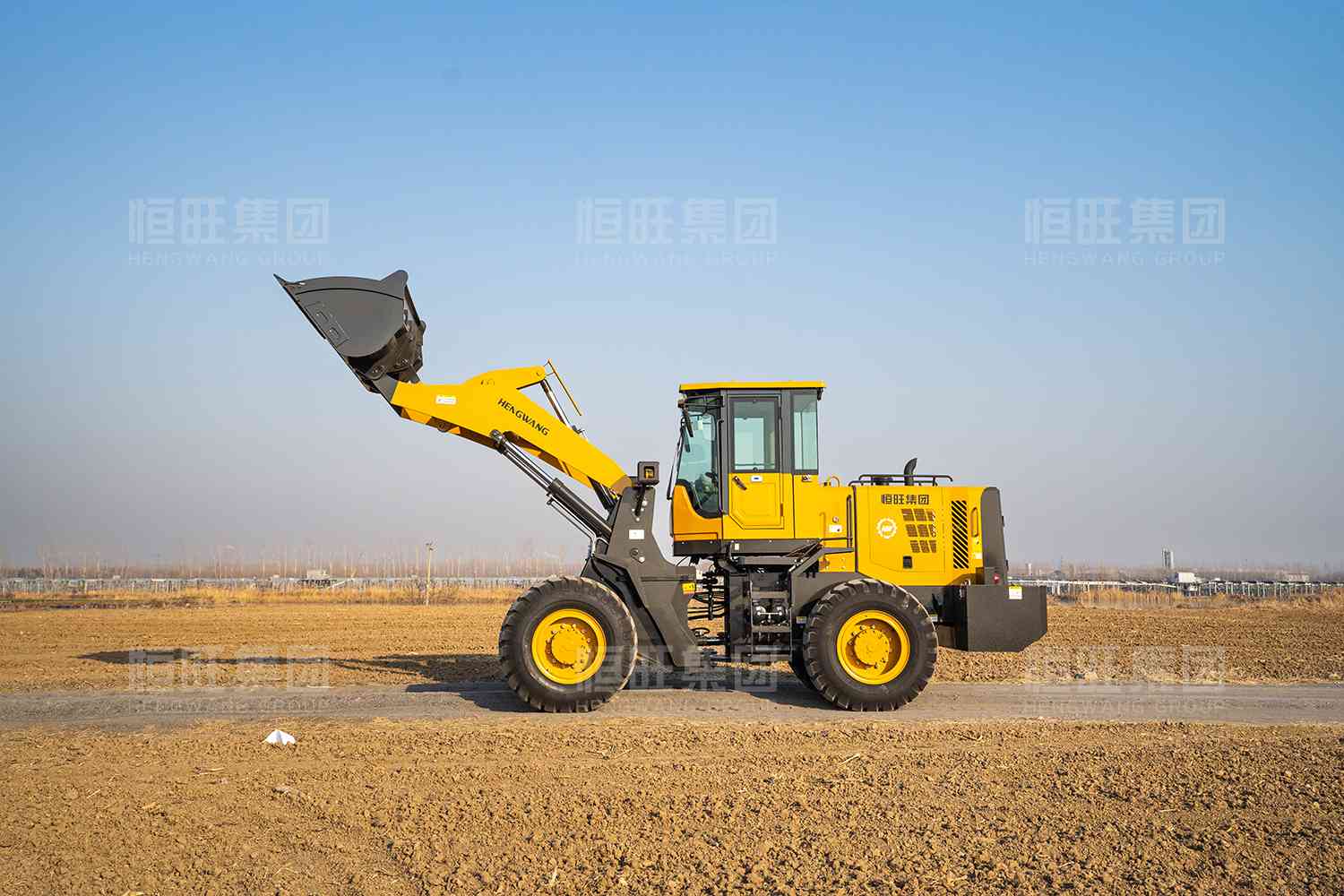
Tires are critical components of loaders, directly affecting functions like vehicle movement, steering, and braking. Given the harsh operational environments of loaders, their tire service life is significantly shorter than that of ordinary passenger vehicles. Tire maintenance and replacement costs also constitute a substantial part of construction vehicle operating expenses. Scientific tire usage can extend their lifespan, reduce costs, enhance operational efficiency, and improve loader reliability. This guide analyzes main causes of abnormal tire damage and proposes measures to extend tire life for cost-saving and profitability enhancement.
1. Strict Tire Pressure Control
Regularly inspect tire pressure to ensure it stays within the standard range. Both excessively high and low tire pressure negatively impact tires. After inflation, check for air leaks and monitor tire pressure routinely to meet specified requirements.
2. Appropriate Tire Selection and Configuration
When replacing tires, choose the corresponding model and configure inner tires according to tire specifications. Tires on the same loader should maintain uniform structure and model, preferably from the same brand. If brand consistency is unfeasible, ensure identical tire parameters, structure, and tread pattern.
3. Avoid Prolonged Operation
Prolonged continuous operation not only affects internal components like the engine but also shortens tire life. Extended work causes tires to generate heat from friction and deformation, increasing internal temperature and pressure. Never spray water to cool overheated tires, as this accelerates aging. Instead, park the loader in a shaded area for natural ventilation and cooling.
4. Regular Tire Rotation
After a period of use, perform cross rotation of front and rear tires. Front tires typically suffer more wear and abrasion due to steering, so interchanging front and rear tires can extend their service life.
5. Proper Storage Environment
When parking, select an appropriate location to avoid direct sunlight and proximity to oil, acids, flammables, and corrosive chemicals. Removed tires and spares should be stored in designated warehouses with partial inflation, never folded or stacked.
Conclusion: Rational tire usage and systematic maintenance are key to maximizing loader tire lifespan. By following these guidelines—including pressure control, proper selection, operation management, rotation, and storage—operators can effectively reduce equipment costs and enhance construction efficiency.